
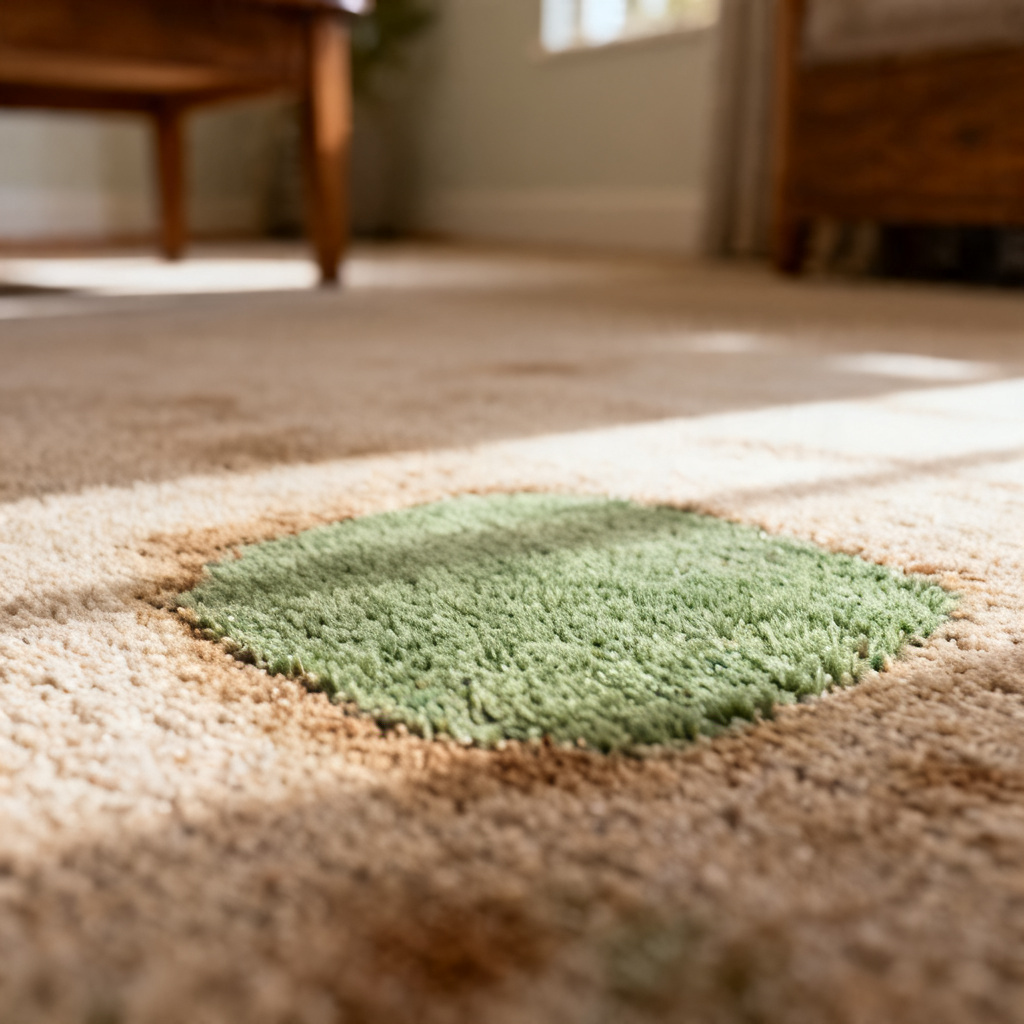
Mould in Your Carpets? Here’s What Randburg Residents Need to Know
Have you noticed a musty odour in a room despite regular vacuuming? Or spotted dark patches on your carpet near a wall or under furniture? You may be dealing with carpet mould. The summer rainy season brings high humidity to Randburg, Roodepoort, and the broader Johannesburg North area. Poorly ventilated interiors make the problem worse. Together, these conditions create the perfect environment for mould — and carpets are one of its favourite hiding spots.
This guide from Randburg Deep Cleaners covers everything you need to know. We explain what causes carpet mould, how to spot it early, the health risks it carries, and how professional carpet deep cleaning in Randburg can fix the problem before it causes lasting damage.
What Causes Mould to Grow in Carpets?
Mould is a fungus. It spreads through microscopic spores that float freely in the air. Those spores stay harmless until they land on a warm, moist surface with an organic food source. Carpets — especially wool, nylon, or natural-fibre blends — tick all three boxes. The backing material holds moisture long after the surface feels dry, making it a prime target.
Several common situations trigger carpet mould in Randburg and Roodepoort homes. A leaking pipe, a spilled drink left to dry on its own, or wet shoes tracked in during a Gauteng summer storm can all introduce enough moisture to start the cycle. Older homes in suburbs like Northcliff and Linden often lack adequate ventilation. Low ceilings and small windows trap moisture indoors. Basements and lower-level rooms face the highest risk of all.
The U.S. Centers for Disease Control and Prevention (CDC) warns that mould can start growing on damp surfaces within 24 to 48 hours. A single unaddressed spill can launch a mould colony before you notice anything wrong.
The Role of Humidity in Gauteng Homes
Johannesburg summers regularly push indoor humidity above 60 percent. That is the threshold at which mould thrives. Homes in lower-lying suburbs, or those surrounded by trees and dense gardens, trap moisture in the air for longer. Wall-to-wall carpeting adds insulation and organic material to the mix. The result is that many Randburg homes unknowingly support mould growth year-round — even without a visible water incident.
How to Identify Mould in Your Carpets
Carpet mould often develops beneath the surface. By the time dark spots appear on the carpet face, the backing or underlay underneath may already carry a heavy infestation. Catching the signs early limits the damage and reduces the cost of treatment.
Smell is your most reliable early warning. A persistent musty or earthy odour — concentrated in one spot rather than spread across the whole room — almost always points to biological growth beneath the fibres. Mould releases microbial volatile organic compounds (MVOCs) as it feeds on organic material. No air freshener or fabric spray removes this smell permanently. The source is alive and growing.
Visual Signs to Watch For
Look for dark green, black, or white fuzzy patches on the carpet surface. The exact colour depends on the mould species. Staining that bleeds upward from beneath the carpet — especially near walls, skirting boards, or heavy furniture — suggests the underlay or subfloor already carries mould. In advanced cases, the carpet feels damp or slightly tacky even on dry days. The fibres may mat or break down in the affected spot.
⚠️ Important Health Warning: Do not scrub visible mould patches without protective equipment. Disturbing a mould colony releases large numbers of spores into the air. This worsens indoor air quality and can spread the problem to other rooms.
The Health Risks of Living with Carpet Mould
Carpet mould poses a real health threat — especially for young children, elderly residents, and anyone with asthma or chronic sinusitis. Mould spores trigger reactions that range from mild irritation to serious illness, depending on the person and the mould species involved.
Typical symptoms include persistent coughing, sneezing, nasal congestion, skin rashes, itchy eyes, and frequent headaches. Exposure to toxic black mould species like Stachybotrys chartarum can cause respiratory infections, neurological effects, and immune system problems. The World Health Organisation (WHO) links damp, mouldy indoor environments to a significantly higher risk of respiratory illness — particularly in children.
Carpet mould is not a cosmetic problem. It is a biological hazard. Randburg Deep Cleaners trains its technicians to treat mould as a contamination issue, not just a stain. Every job follows full sanitisation protocols.
Why DIY Carpet Mould Removal Often Falls Short
Most homeowners reach for household products the moment they spot carpet mould. Baking soda, white vinegar, commercial carpet sprays, and diluted bleach can suppress surface mould temporarily. They rarely solve the problem. Carpet backing and underlay are thick, dense materials. Household sprays cannot penetrate deep enough to wipe out the colony.
DIY attempts can also make things worse. Adding moisture without professional extraction equipment feeds the very mould you are trying to kill. A slightly damp carpet in a poorly ventilated room is the ideal environment for secondary mould growth.
Effective mould remediation needs hot water extraction at professional temperatures, antimicrobial agents at the correct concentration and dwell time, and powerful suction to remove moisture and loosened mould matter completely. That is exactly what the Randburg Deep Cleaners team delivers — in Randburg, Roodepoort, and every suburb we cover.
The Professional Deep Cleaning Process for Mouldy Carpets
Randburg Deep Cleaners follows a structured, multi-stage process. We aim for complete eradication, not surface-level suppression. Every job starts with a thorough assessment. Our technicians check how far the mould has spread and whether the underlay or subfloor needs attention. That assessment determines the treatment intensity — and whether we can save the carpet or need to recommend replacement.
Pre-Treatment and Antimicrobial Application
We begin by applying professional-grade antimicrobial solutions. These products are safe for homes and offices but powerful enough to penetrate carpet fibres and backing material. We apply them at the correct concentration and allow the right dwell time. Unlike household sprays, these agents break down the cellular structure of mould. They do not simply bleach away the visible colour.
Hot Water Extraction and Deep Agitation
Next, we use hot water extraction — also called steam cleaning. Our truck-mounted and high-powered portable units reach water temperatures and extraction pressures far above anything available to consumers. This process flushes loosened mould, residual treatment agent, and embedded contaminants out of the carpet pile. On heavily affected areas, we use rotary agitation tools to dislodge mould from the fibres before extraction. Read more on our Carpet and Upholstery Deep Clean service page.
Drying, Dehumidification and Post-Treatment Inspection
Rapid drying is the most critical step — and the one where professional service outperforms DIY most dramatically. We use industrial air movers and dehumidifiers to bring the carpet’s moisture content down to safe levels fast. This eliminates the conditions that allow secondary mould growth. We finish with a post-treatment inspection to confirm no residual mould or moisture remains in the backing or underlay.
💡 Did You Know? Mould that reaches the underlay almost always means replacement is necessary. No cleaning process can fully sanitise dense foam or fibre underlay once mould takes hold. We will tell you honestly during the assessment if this applies — we never recommend replacement unless the evidence demands it.
Preventing Carpet Mould: Long-Term Strategies for Randburg Homeowners
After professional treatment, the goal is to keep the problem from returning. Prevention costs far less than remediation. Most effective strategies focus on two things: controlling moisture and improving airflow.
Act immediately when something spills on your carpet. Blot up as much liquid as possible using absorbent towels and firm downward pressure. Then dry the area with a fan or hair dryer before moisture wicks into the backing. Consider replacing carpets in high-risk areas — dining rooms, playrooms, or rooms next to bathrooms — with hard flooring. If you keep the carpet, apply a professional water-resistant protector.
Ventilation matters just as much. Open windows after humid weather. Run extractor fans in bathrooms and kitchens. Use a dehumidifier in rooms that stay damp. Homes in Northriding, Olivedale, and Randpark Ridge with heavy garden vegetation close to the walls need extra vigilance. Greenery raises the ambient humidity of surrounding air.
Book a professional carpet deep clean at least once a year. Twice yearly works better for homes with children, pets, or heavy foot traffic. Regular deep cleaning removes the organic debris that feeds mould. Our Spring Cleaning Package offers a great full-home reset at the end of the wet summer season.
What About Mould in Other Areas of the Home?
Carpet mould rarely appears alone. Enough moisture to grow mould in flooring usually means related problems exist nearby — in bathrooms, kitchens, or poorly ventilated rooms. If you find mould in your carpets, inspect the rest of the property too.
Bathrooms attract mould on grout lines, silicone sealant, and tile joints. Our Bathroom Mould and Mildew Treatment service targets these surfaces directly. We use antifungal treatments that penetrate porous grout and silicone far better than household bleach. Where water damage triggered the carpet mould — a burst pipe, roof leak, or appliance failure — our Flood and Water Damage Cleaning team handles full-property remediation and restores every affected surface to a safe, healthy state.
Areas We Serve Across Randburg & Roodepoort
Randburg Deep Cleaners delivers carpet mould remediation and professional deep cleaning across these suburbs and surrounding areas:
Northcliff · Linden · Northriding · Olivedale · Randpark Ridge · Boskruin · Blairgowrie · Fairland · Douglasdale · Fontainebleau
When to Call the Professionals: Signs You Should Not Wait
Some situations call for urgent action — not a booking made for next week. If anyone in your household experiences unexplained respiratory symptoms, persistent headaches, or skin irritation that worsens indoors, investigate immediately. Children and elderly residents carry the highest risk. The health consequences of prolonged mould exposure grow more serious over time.
Do not wait if you smell mould but cannot find the source. Do not wait if a carpet has been wet for more than 24 hours without professional extraction. Every additional hour gives the mould colony time to expand and push deeper into the underlay and subfloor. That increases both the cost and the complexity of the fix. Randburg Deep Cleaners responds promptly across Randburg, Roodepoort, and all the suburbs above. Contact us today to arrange an assessment.
Ready to Eliminate Carpet Mould for Good?
Randburg Deep Cleaners delivers professional, health-safe carpet mould remediation across Randburg, Roodepoort, and surrounding suburbs. Whether you face a recent water incident or a long-standing mould problem that DIY products have failed to fix, our team brings the right equipment, training, and experience to restore your carpets and your peace of mind.
Recent Posts:
- Eco-Friendly Carpet Deep Cleaning Solutions Available in Randburg
- How Deep Carpet Cleaning Eliminates Allergens in Randburg Homes
- Pet Odour Removal: Deep Carpet Cleaning Tips for Randburg Households
- How to Remove Stubborn Carpet Stains in Randburg Homes for Good
- Same-Day Deep Carpet Cleaning in Randburg: Is It Worth It?