
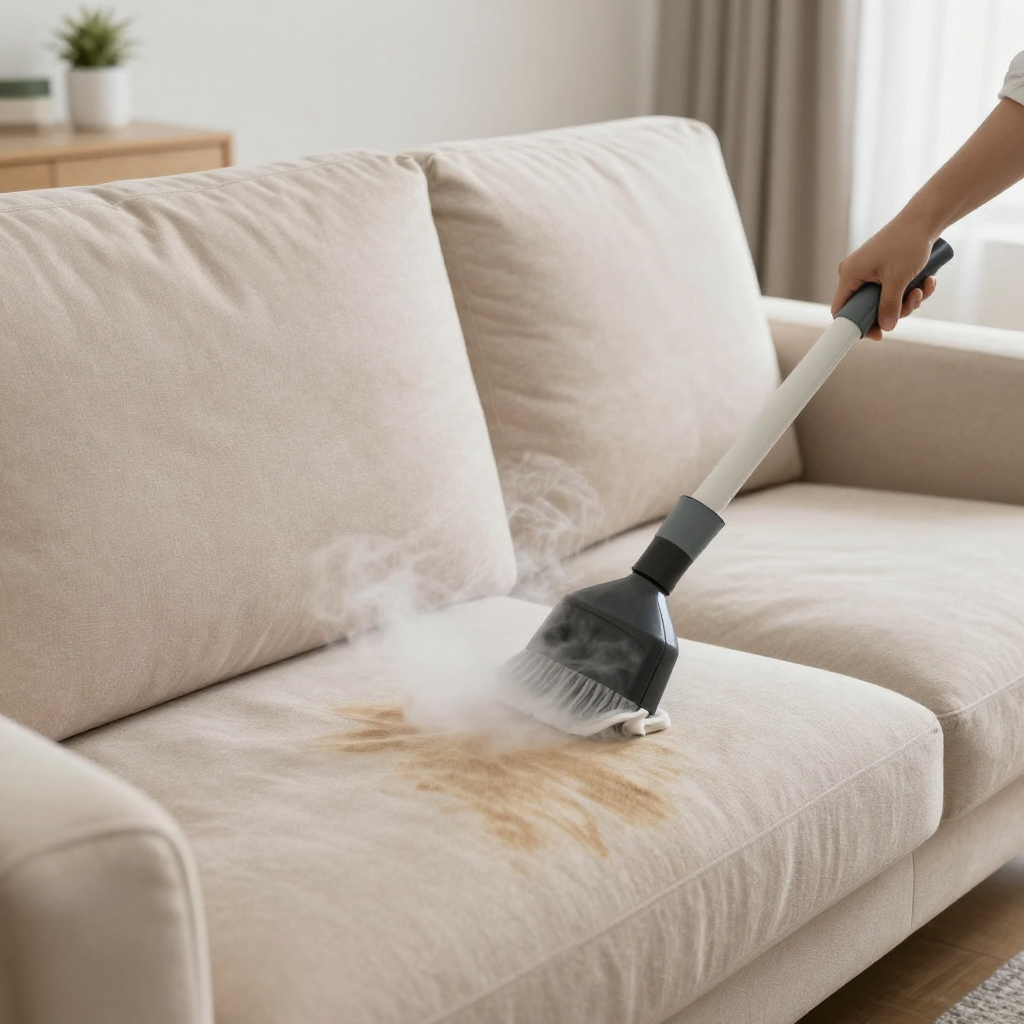
Couch Cleaning Codes Explained for Deep Cleaning Couch
Your couch is one of the most used pieces of furniture in your home — and often one of the most expensive. Yet many homeowners across Randburg, Roodepoort, and Northcliff have never checked the small fabric tag hidden underneath the cushions or along the base of the sofa.
That tiny label contains one of four important letters: W, S, SW, or X. These upholstery cleaning codes determine the safest cleaning method for your couch. Ignoring them can lead to shrinkage, colour fading, water stains, or even permanent fabric damage.
At Randburg Deep Cleaners, we regularly assist homeowners who accidentally damaged their upholstery using the wrong cleaning method or hired a company that never checked the cleaning code before starting the job. Understanding these codes before booking a professional upholstery cleaning service can save you significant money, stress, and frustration.
What Are Upholstery Cleaning Codes?
Upholstery cleaning codes are standardised fabric care instructions used by furniture manufacturers worldwide. These codes tell cleaning professionals which products and cleaning techniques are safe for your specific couch fabric.
The code is based on the material composition of the upholstery. Some fabrics tolerate water-based cleaning methods very well, while others react badly to moisture and require specialised solvent cleaning instead.
These codes are especially important in Johannesburg’s climate. Humid summers and dry winters can already place stress on upholstery fibres, so using the wrong cleaning method only increases the risk of damage.
The four main upholstery cleaning codes are:
- W
- S
- SW (or WS)
- X
Each one has a very specific meaning.
W Code: Water-Based Cleaning Is Safe
The W code is the most common and generally the easiest to maintain. It means the upholstery can safely handle water-based cleaning methods such as steam cleaning, hot water extraction, and upholstery shampooing.
Most synthetic fabrics carry this code, including:
- Polyester
- Nylon blends
- Cotton-polyester fabrics
- Certain microfibres
Professional upholstery cleaning for W-coded couches usually involves controlled moisture application followed by powerful extraction to remove dirt, bacteria, allergens, and odours.
However, many homeowners make the mistake of assuming “water-safe” means “flood the couch.” Excess moisture can still create problems, especially during Johannesburg’s humid summer months. Over-saturation may lead to mould growth inside cushions and foam padding if the couch is not dried properly.
This is why professional equipment and controlled moisture levels are still essential.
If your couch needs professional steam cleaning, you can view our upholstery cleaning services here:
Upholstery Cleaning Services
S Code: Solvent Cleaning Only
The S code stands for “solvent,” meaning only water-free cleaning solvents should be used.
These fabrics are highly sensitive to moisture. Applying water can cause:
- Water rings
- Shrinkage
- Texture distortion
- Permanent colour bleeding
S-coded upholstery is commonly found on luxury or delicate fabrics such as:
- Silk
- Rayon
- Viscose
- Wool blends
- Velvet finishes
In areas like Northcliff, Blairgowrie, and Bordeaux, many imported or high-end couches carry this cleaning code.
Unfortunately, this is also where homeowners often make costly mistakes. A simple DIY upholstery spray or handheld steam cleaner can permanently damage an S-coded couch within minutes.
Any professional upholstery cleaner should ask about your fabric code before starting work. If they do not, that is a major warning sign.
SW Code: The Most Flexible Option
The SW code — sometimes written as WS — means the upholstery can safely handle both water-based and solvent-based cleaning methods.
This gives professional cleaners flexibility to choose the most effective approach depending on:
- The type of stain
- Fabric condition
- Level of dirt buildup
- Presence of odours or allergens
Many modern family-friendly couches use SW-coded fabrics because they are designed to withstand daily use while remaining easier to clean.
These fabrics are common in busy homes throughout Randburg and Roodepoort where children, pets, and regular entertaining place heavy demands on furniture.
X Code: Vacuum Only
The X code is the most restrictive and delicate of all upholstery cleaning codes.
It means no liquid cleaning products should be used whatsoever.
That includes:
- Water
- Solvents
- Steam
- Foam cleaners
The only safe maintenance methods are:
- Gentle vacuuming
- Soft brushing
X-coded upholstery is usually found on antique furniture, decorative pieces, or highly delicate natural fibres.
If an X-coded couch develops a deep stain, professional assessment is strongly recommended before attempting any treatment. In severe cases, reupholstery may be safer than aggressive cleaning attempts.
Where to Find the Cleaning Code on Your Couch
Many homeowners are surprised by how hidden these tags can be.
You will usually find the upholstery code:
- Under removable cushions
- Inside zipper flaps
- Attached to the base frame
- Underneath the couch near the legs
On sectional couches, the label is often attached to one of the corner sections.
A useful tip is to photograph the tag once you find it. Keeping a photo on your phone makes it easy to send to your upholstery cleaning company before booking.
Why Cleaning Codes Matter So Much
Professional upholstery cleaning is not a one-size-fits-all service.
Different fabrics respond differently to:
- Heat
- Moisture
- Cleaning agents
- Agitation
- Drying methods
Ignoring upholstery codes increases the risk of:
- Fabric weakening
- Texture damage
- Colour fading
- Cushion distortion
- Mould growth
- Permanent staining
At Randburg Deep Cleaners, every upholstery appointment begins with a detailed fabric inspection before any cleaning starts.
Common Upholstery Cleaning Mistakes Homeowners Make
Using Steam on the Wrong Fabric
One of the biggest mistakes homeowners make is assuming steam cleaning is safe for every couch.
Steam is still moisture. On S-coded or X-coded fabrics, it can permanently damage the upholstery through both heat and water exposure.
This is becoming increasingly common as handheld steam cleaners grow more popular in Johannesburg households.
Using Household Stain Removers
General-purpose stain sprays often contain harsh chemicals not designed for upholstery.
These products may react badly with fabric dyes or protective coatings, causing permanent discolouration.
Always confirm that a cleaning product is specifically safe for your upholstery code before using it.
Scrubbing Instead of Blotting
Aggressive scrubbing damages fabric fibres and spreads stains deeper into the upholstery.
Fresh spills should always be blotted gently using a clean cloth rather than rubbed aggressively.
When Should You Call a Professional Upholstery Cleaner?
Some situations almost always require professional help.
These include:
- Wine spills
- Coffee stains
- Pet accidents
- Deep odours
- Heavy dust buildup
- Allergy-related cleaning
- Long-overdue couch maintenance
Homes with pets, children, or high daily usage generally benefit from professional upholstery cleaning every 12 to 18 months.
Professional extraction equipment removes contaminants deep within the fabric and padding that regular vacuuming simply cannot reach.
You can also combine upholstery cleaning with a full home refresh through our deep cleaning packages:
Full House Deep Cleaning Services
What to Tell Your Upholstery Cleaner Before Booking
Providing the right information before your appointment helps technicians prepare properly.
Try to share:
- Your upholstery cleaning code
- Couch material if known
- Approximate furniture age
- Description of stains
- Previous cleaning attempts
This allows the cleaning team to bring the correct products, tools, and equipment for your specific fabric type.
For enquiries or bookings, contact our team directly here:
Contact Randburg Deep Cleaners
Upholstery Cleaning Across Randburg, Roodepoort & Northcliff
Randburg Deep Cleaners proudly provides professional upholstery cleaning services throughout Johannesburg’s northern suburbs, including:
- Randburg
- Roodepoort
- Northcliff
- Blairgowrie
- Bordeaux
- Randpark Ridge
- Linden
- Northriding
Our couch cleaning services are available as standalone appointments or as part of larger deep cleaning and spring cleaning packages.
We regularly clean:
- Sectional couches
- Armchairs
- Dining chairs
- Ottoman stools
- Fabric headboards
- Lounge suites
Each item may carry a different cleaning code, which is why professional fabric assessment remains essential.
For seasonal deep cleaning solutions, explore our spring cleaning services here:
Spring Cleaning Services
Final Thoughts
Understanding your couch’s cleaning code is one of the simplest yet most important steps in protecting your furniture investment.
Those four letters — W, S, SW, and X — determine whether your upholstery can safely handle water, solvents, steam, or only dry maintenance methods.
Checking the tag before booking a cleaning service can help prevent unnecessary damage and ensure your couch receives the correct treatment from the start.
At Randburg Deep Cleaners, we believe informed homeowners make better long-term decisions for their furniture. Whether you live in Northcliff, Roodepoort, or anywhere across Randburg, our team is ready to clean your upholstery safely, professionally, and according to the exact needs of your fabric.
Recent Posts:
- The “New Home” Checklist: Why you should steam clean your upholstery after moving into a new Randburg rental.
- Eco-Friendly Cleaning in the North: Why we use non-toxic, kid-safe steam methods for local families.
- Extending Your Investment: How regular deep cleaning can double the lifespan of your luxury furniture.
- Red Wine & Braai Sauce: Emergency DIY tips vs. when to call the pros in Sandton.
- Seasonal Refresh: Why Randburg Residents Should Deep Clean their Upholstery before the Winter “Indoor” Season